Have a Good Day Smiley SVG Review
When I’m scouting for a design to add to my current batch of custom orders, I don’t just look at the image file itself. I look at how it will translate from a screen into thread. I’m evaluating Have a Good Day Smiley SVG, Retro Smiley not as a static graphic, but as a potential machine embroidery design that needs to survive the hoop, the needle, and the washing machine. This review comes from the perspective of someone who has stitched thousands of designs and knows exactly where things go wrong when a cute concept meets practical execution.
The product falls under the broader categories of Crafts and Graphics, specifically offering an instant download with SVG, PNG, and DXF files in high resolution. While these vector and raster formats are excellent for cutting machines like Cricut or Silhouette, my focus here is strictly on how this asset functions within an embroidery workflow. The inclusion of DXF files suggests versatility, but for us embroiderers, the real question is whether the geometry holds up when converted into stitch data.
First Impressions and Visual Personality
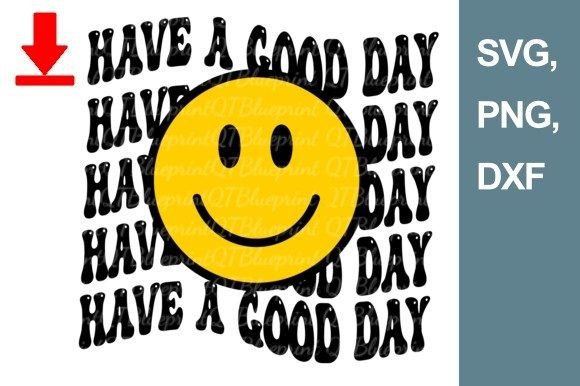
The "Retro Smiley" aesthetic is timeless, but it is also saturated. To stand out in a crowded Etsy shop or a local craft fair booth, a design needs more than just nostalgia; it needs structural integrity. The initial visual personality of the Have a Good Day Smiley SVG, Retro Smiley is cheerful, approachable, and slightly nostalgic. It evokes the 70s and 80s pop culture vibe without being overly complex. This simplicity is actually its greatest strength for embroidery.
In my experience, overly intricate line art often gets lost in dense stitch fields or turns into a muddy mess if the thread colors aren't perfectly matched. A bold, retro smiley face relies on clear shapes and strong contrast. When I imagine placing this on a garment, I see it working best as a standalone focal point rather than part of a cluttered composition. The mood it creates is one of casual optimism. It’s not trying to be edgy or high-fashion; it’s trying to make someone smile, literally and figuratively. This makes it an ideal candidate for personalized gifts, casual wear, and home decor items where comfort and positivity are key selling points.
Real-World Application: From Screen to Stitch
Let’s talk about a specific scenario. Imagine you have a client request for a custom embroidered tote bag for a small business launch or a personalized gift for a teacher. You need something that looks professional but feels warm. I would take the Have a Good Day Smiley SVG, Retro Smiley file and prepare it for a medium-sized hoop placement on the front panel of a canvas tote.
Because the design is likely composed of clean curves and distinct facial features, it translates well to standard embroidery techniques. The eyes and mouth can be executed using satin stitches for a crisp outline, while the main face shape might use a fill stitch or a series of running stitches depending on the desired texture. On a sturdy cotton canvas, the stability provided by the fabric helps maintain the roundness of the smiley face. However, if you were to attempt this on a stretchy knit fabric, such as a sweatshirt or a baby onesie, you would need to be extremely careful with your stabilizer choice to prevent puckering.
I also envision this design performing well on aprons and kitchen towels. The "Have a Good Day" message adds a functional encouragement to daily chores, making it a thoughtful handmade product. For an Etsy seller or small shop owner, this type of design is low-risk and high-reward because it appeals to a broad demographic. It works for men, women, and children, which expands your potential customer base significantly.
Where Caution Is Required
Not every surface is created equal, and even the best design assets can fail if applied incorrectly. There are several situations where you should handle Have a Good Day Smiley SVG, Retro Smiley with extra care:
- Small Hoop Sizes: If you try to cram this design into a very small hoop (under 4x4 inches), the details may become indistinguishable. The curve of the smile might flatten out, or the eyes might merge if the stitch density is too high relative to the size.
- Textured Fabrics: Bouclé wool, heavy chenille, or loose-weave burlap can obscure the fine lines of a retro smiley. The needle might skip, or the thread might get caught in the fibers, ruining the clean aesthetic.
- Curved Surfaces: Applying this to a baseball cap or a curved hat requires a specialized cap frame. Without proper tensioning, the circular shape of the smiley can distort into an oval, breaking the illusion of the retro style.
- Dense Stitch Areas: If the conversion software places too much fill stitch in the yellow face area, the fabric can become stiff and board-like. This reduces the comfort of the custom apparel and can cause the stitching to pucker over time.
Technical Execution and Design Notes
As a designer, I always advise testing before committing to a full production run. Before you start stitching dozens of units for a holiday sale, perform a test on scrap fabric. Check the stitch density closely. If the design feels too heavy, consider reducing the fill percentage or switching to a lighter stitch type. Inspect the small details, particularly the corners of the eyes and the curve of the mouth, to ensure they remain sharp.
Thread color selection is critical for this specific design. A classic yellow face with black features is the standard, but experimenting with contrasting threads can elevate the embroidery project. For example, a pastel pink face with white stitching can create a soft, nursery-friendly look, while a neon yellow with black offers a modern streetwear vibe. Always compare your thread choices against both light and dark fabric backgrounds to ensure sufficient contrast. A low-contrast combination might look beautiful on a digital mockup but disappear completely once stitched.
Using the right stabilizer is non-negotiable. For woven fabrics like those used in tote bag designs or tea towels, a cut-away stabilizer provides the necessary long-term support. For knits, such as sweatshirt embroidery or baby embroidery, a tear-away or wash-away stabilizer might be preferred to maintain softness, provided the design isn't excessively large. Remember to check the file specifications again; since the product includes SVG and DXF, verify that your embroidery software can interpret these vectors correctly into a stable stitch pattern.
Commercial Viability and Brand Value
For those of you building a craft business or selling design assets, understanding the end-user's perception is vital. A well-executed Have a Good Day Smiley SVG, Retro Smiley adds perceived value to a finished product. Customers associate neat, precise embroidery with quality and care. When a buyer receives a personalized gift or a boutique item featuring a clean, recognizable icon, it reinforces trust in your brand consistency.
This design is highly giftable. Its positive message makes it suitable for holidays, weddings, and corporate giveaways. It fits seamlessly into holiday embroidery collections or as a year-round staple. However, always confirm your licensing terms before engaging in commercial embroidery. Just because you purchased the digital file does not automatically grant you the right to sell unlimited quantities of physical goods derived from it. Clarify whether the license allows for personal use only, limited commercial sales, or unlimited resale. Protecting your small shop product reputation means respecting intellectual property rights.
Ultimately, Have a Good Day Smiley SVG, Retro Smiley is a versatile tool in any designer’s arsenal. It bridges the gap between digital graphics and tactile craftsmanship. By paying attention to fabric choice, stitch quality, and proper stabilization, you can transform this simple vector file into a professional, market-ready finished product that resonates with customers looking for warmth and authenticity in their handmade purchases.